
Winter Home Maintenance Checklist: Preparing for Cold Weather
Protect your home from freezing temps with this winter home maintenance checklist, preventing costly repairs and ensuring a warm, safe season.
By Scott Thompson
Learn more about Weatherization for guides, costs, and what to expect.
Compare Weatherization Pros Near You

Enter your ZIP code to compare top-rated local professionals and request free quotes.
As the days grow shorter and the first frost paints your windows, the shift from fall to winter brings more than just a change in your morning commute. It signals a critical transition for your home, a time when small oversights can snowball into expensive emergencies. For many homeowners, the instinct is to crank up the thermostat and hope for the best, but proactive preparation is the true key to comfort, safety, and financial sanity. A thorough winter home maintenance checklist preparing for cold weather is not merely a list of chores; it is a strategic plan to protect your most valuable asset against the unique stresses of ice, snow, and freezing temperatures. By investing a few weekends now, you can avoid the mid-January crisis of a burst pipe or a failing furnace, saving yourself thousands of dollars and a great deal of discomfort.
This guide will walk you through a comprehensive, room-by-room approach to winterizing your home. We will focus on actionable steps, from the exterior envelope to the inner workings of your plumbing and heating systems. Whether you are a first-time homeowner or a seasoned property manager, the goal is to demystify the process and empower you with a practical plan. By understanding the vulnerabilities and addressing them head-on, you not only preserve your home's integrity but also enhance its energy efficiency, which is a win for both your wallet and the environment. Let's dive into the essential tasks that will carry you safely through the season.
Seal the Perimeter: Exterior and Structural Checks
Your home's first line of defense against winter weather is its outer shell. The roof, gutters, and exterior walls bear the brunt of snow, ice, and freezing rain. A proactive inspection here can prevent leaks, ice dams, and structural damage that are notoriously expensive to repair once the weather turns harsh. Begin by visually inspecting your roof from the ground using binoculars, or if it is safe, from a ladder. Look for missing, cracked, or curling shingles, as well as any signs of wear around vents, chimneys, and skylights. These are prime entry points for water. If you notice significant damage, it is wise to call a professional roofer for an assessment before the first heavy snowfall.
Next, turn your attention to the gutters and downspouts. Clogged gutters are a leading cause of winter roof damage. When leaves and debris block the flow, melting snow backs up and can freeze, forming ice dams that lift shingles and force water under the roof deck. Ensure all gutters are cleaned of autumn's fallen leaves. Also, verify that downspouts are securely attached and direct water at least five feet away from your foundation. If they discharge too close to the house, the water can pool and freeze, leading to foundation cracks or basement leaks. Consider installing gutter guards to minimize future cleanings, but never rely on them entirely; a yearly manual check is still essential.
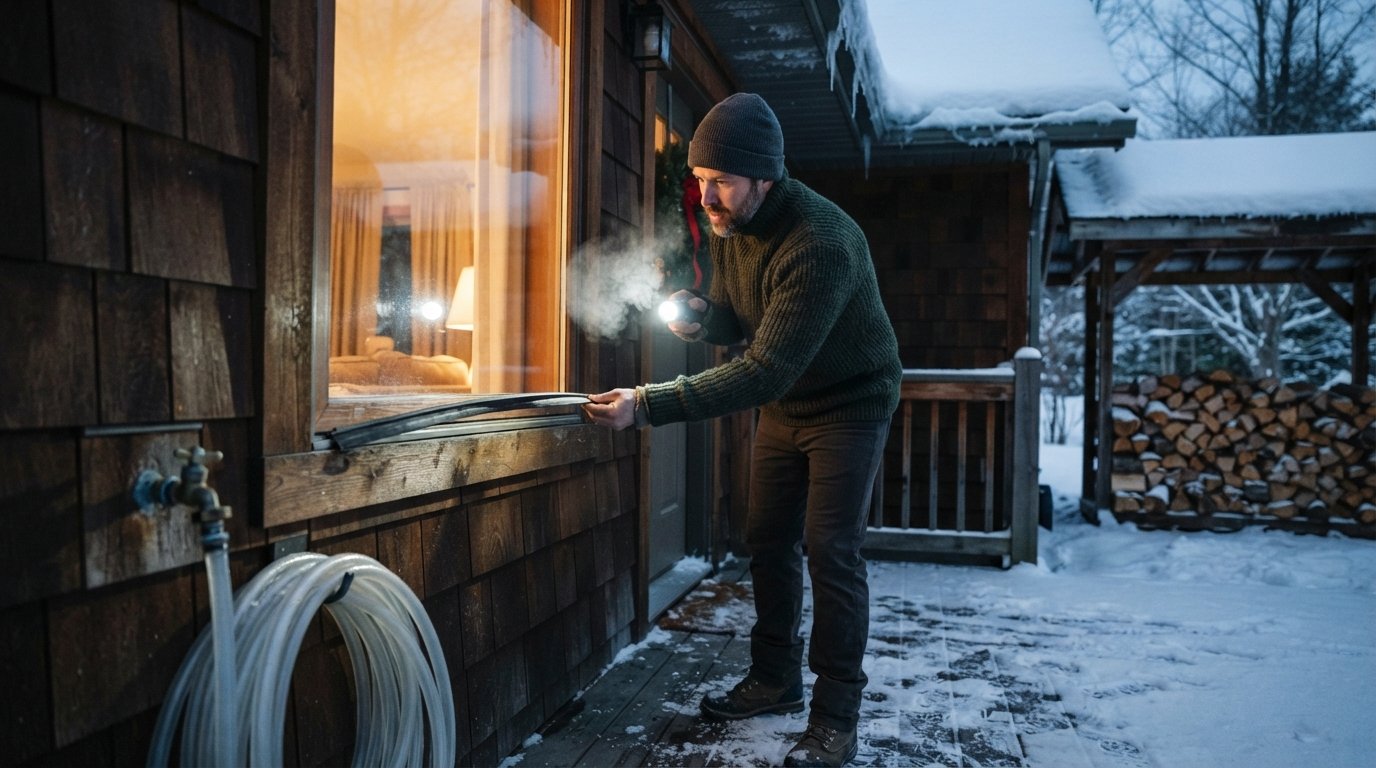
Beyond the roof and gutters, inspect the exterior caulking and weatherstripping around windows and doors. Feel for drafts on a windy day; if you can feel air movement, you are losing heat. Replace worn or brittle weatherstripping and reapply high-quality exterior caulk around window frames and door jambs. For a quick and effective upgrade, consider using window insulation film on older, single-pane windows. This clear plastic shrink-wrap kit creates a dead air space that significantly reduces heat loss without obstructing your view. These small, inexpensive fixes can dramatically improve your home's overall thermal efficiency and comfort.
Protect the Lifelines: Plumbing and Heating Systems
The plumbing and heating systems are the most vulnerable and critical components during a cold snap. A frozen pipe can burst, causing catastrophic water damage in a matter of hours. The heating system, if neglected, can fail precisely when you need it most, leaving your family in the cold. Therefore, this part of your winter home maintenance checklist preparing for cold weather is non-negotiable. Start by scheduling a professional inspection of your furnace or heat pump. A technician will clean the unit, check for carbon monoxide leaks, verify the heat exchanger, and ensure the system is running at peak efficiency. This not only prevents breakdowns but also can lower your energy bills, as a well-maintained system uses less fuel.
Simultaneously, you should winterize your plumbing. Locate your main water shut-off valve and ensure it is easily accessible and functional. In the event of a pipe burst, you will need to cut the water supply quickly. Next, focus on exposed pipes in unheated areas like basements, crawl spaces, attics, and garages. Wrap them with foam pipe insulation sleeves or heat tape. Pay special attention to pipes along exterior walls, as they are most susceptible to freezing. For added protection, open cabinet doors under sinks in kitchens and bathrooms on particularly cold nights to allow warm air to circulate the pipes. Letting a faucet drip slowly can also prevent pressure buildup, a common cause of bursts.
If you have an outdoor water bib, it is crucial to shut off its dedicated valve from the inside and drain the line. Leaving water in the outdoor spigot can cause it to freeze and crack, leading to a leak that may not be discovered until it has caused significant damage. Also, disconnect and drain all garden hoses, and store them indoors. In the event of a power outage, having a backup plan for heating is wise. Invest in a portable generator or a backup battery system for your sump pump, which is often stressed by melting snow. These proactive measures provide a safety net that can save you from a major disaster.
- Schedule an HVAC tune-up: A professional check ensures efficiency and safety.
- Drain and shut off outdoor spigots: Prevents freezing and cracks in exterior plumbing.
- Insulate exposed pipes: Use foam sleeves or heat tape for vulnerable lines.
- Test carbon monoxide detectors: Winter brings increased risk of CO leaks from heating systems.
Beyond the immediate plumbing, your water heater also needs attention. Flush the tank to remove sediment buildup, which can reduce its efficiency and shorten its lifespan. Check the pressure relief valve to ensure it operates correctly. Insulate the hot water pipes leading from the tank to reduce heat loss, and consider an insulating blanket for the tank itself if it feels warm to the touch. These steps not only protect your system, they also contribute to lower energy consumption throughout the winter months.
Interior Comfort and Safety: Air Quality and Emergency Readiness
With the windows sealed and the heat running, your home becomes a closed environment. This makes indoor air quality and safety systems more important than ever. A well-sealed home is energy-efficient, but it can also trap pollutants like dust, pet dander, and volatile organic compounds (VOCs). Before you button up for the season, change your HVAC system's air filter. A clean filter improves airflow and efficiency while reducing allergens. If you have a whole-house humidifier, check its settings and clean the unit, as dry winter air can cause respiratory issues and damage wooden furniture and floors. Using a portable humidifier in key living areas can also help maintain a comfortable humidity level between 30 and 50 percent.
Safety checks are equally vital. Replace the batteries in all smoke detectors and carbon monoxide detectors, and test each unit to ensure it is functioning. Winter is the peak season for house fires and CO poisoning, often due to space heaters, fireplaces, and overworked furnaces. If you have a fireplace, have the chimney cleaned and inspected by a professional to remove creosote buildup and check for structural issues or animal nests. When using a fireplace or a space heater, always maintain a clear zone of three feet around the heat source. Never leave a space heater unattended, and ensure it has an automatic shut-off feature. These simple habits significantly reduce your risk of a winter tragedy.
Finally, prepare for potential power outages, which are common during winter storms. Assemble an emergency kit that includes flashlights, extra batteries, a battery-powered radio, a first-aid kit, and a supply of bottled water and non-perishable food. If you rely on electricity for medical equipment, have a plan in place for an alternative power source. Also, familiarize yourself with your home's electrical panel and know which breakers control which circuits. In the event of an outage, you can turn off non-essential circuits to reduce the load when power is restored, preventing a surge that could damage your appliances.
The Cost of Inaction vs. The Value of Prevention
It is easy to view a winter maintenance checklist as a series of optional expenses. However, the cost of prevention is almost always a fraction of the cost of a major repair. For example, a $50 investment in pipe insulation can prevent a $5,000 water damage restoration bill. A $150 furnace tune-up can prevent a $500 emergency service call on a holiday weekend. More importantly, these proactive measures protect not just your finances, but also your family's health and safety. The peace of mind that comes from knowing your home is prepared for a blizzard is invaluable. When you follow a winter home maintenance checklist preparing for cold weather, you are essentially buying an insurance policy against the unpredictable, and the dividends are paid in comfort and avoided stress.
To make this process less overwhelming, break the tasks into manageable categories and schedule them across a few weekends. For instance, one weekend can be dedicated to exterior work, another to interior systems, and a third to safety and energy-efficiency upgrades. This approach prevents burnout and ensures thoroughness. As you complete each task, check it off your list. Not only is it satisfying, but it also provides a clear record of what has been done, which is useful if you ever decide to sell your home. Buyers are often attracted to homes with a documented history of proactive maintenance, as it signals that the property has been well-cared for.
While DIY is appropriate for many tasks, some jobs are best left to professionals. Roof inspections, chimney cleaning, and HVAC servicing require specialized skills and equipment. Attempting these tasks without proper training can be dangerous and may void warranties. When you need a professional, it is wise to compare multiple quotes to ensure you are getting fair pricing. Many homeowners find that using a digital marketplace like FreeQuotes.Contractors simplifies this process by connecting them with pre-vetted local contractors for free, no-obligation estimates. This allows you to focus on the comparison, not the cold calling. For more detailed guidance on what to look for in a quote, you can also refer to our resource on home improvement contractor quotes.
In conclusion, the arrival of winter should not be met with dread, but with the readiness that comes from preparation. By systematically working through your winter home maintenance checklist preparing for cold weather, you are not just fixing small problems; you are preventing large ones. You are ensuring that your home remains a warm, safe, and efficient sanctuary, regardless of what the weather forecast holds. So, grab your tools, set aside a few hours each weekend, and give your home the attention it deserves. The effort you invest now will pay off in comfort, savings, and security all season long, allowing you to enjoy the beauty of winter from the cozy warmth of your well-protected home.