
Outdoor Living Spaces: Design and Cost Planning
Transform your backyard into a beautiful, functional retreat with our guide on designing and budgeting for outdoor living spaces.
By James Morgan
Learn more about Outdoor Landscaping and Design for guides, costs, and what to expect.
Compare Outdoor Landscaping and Design Pros Near You

Enter your ZIP code to compare top-rated local professionals and request free quotes.
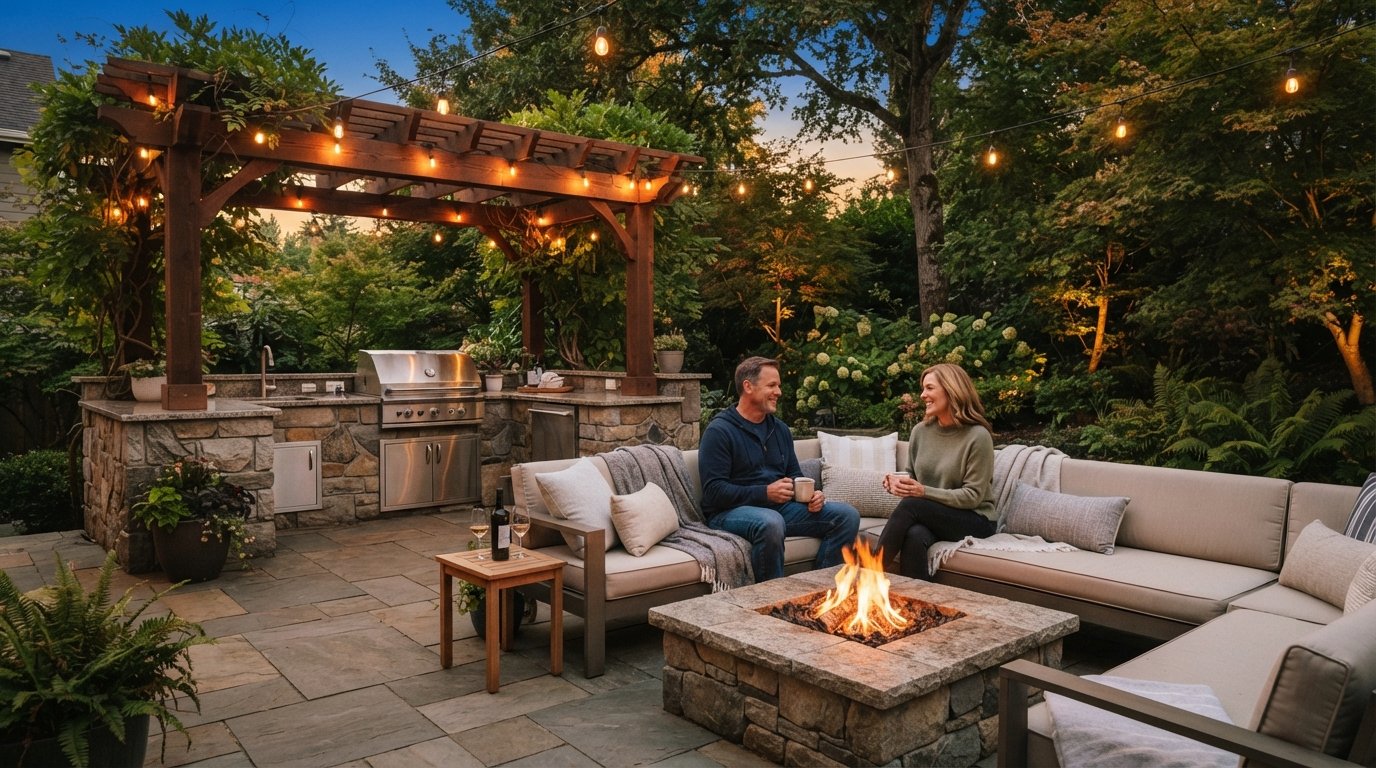
Imagine stepping into your backyard and finding a space that feels like a natural extension of your home. A place where morning coffee tastes better, weekend gatherings feel effortless, and the line between indoor comfort and outdoor freedom blurs. This is the promise of a well-designed outdoor living space, and for many homeowners, it has become a top priority. The demand for functional, beautiful, and durable outdoor areas has surged, transforming backyards into true living quarters. Whether you dream of a cozy fire pit lounge, a fully equipped outdoor kitchen, or a serene screened-in porch, understanding the design and cost considerations is the first step. This guide will walk you through the essential elements of planning and budgeting for your own outdoor transformation, helping you make informed decisions that balance your vision with your wallet.
The appeal goes beyond mere aesthetics. Outdoor living spaces can significantly expand your usable square footage, increase your property's value, and enhance your quality of life. They offer a private retreat from the stresses of daily life, a place for family bonding, and a versatile venue for entertaining guests. However, the process of creating such a space can be complex, involving careful planning, material selection, and a clear understanding of costs. By breaking down the process into manageable steps, you can navigate the journey with confidence. From defining your goals to hiring the right professionals, every decision shapes the final outcome. This article aims to equip you with the knowledge you need to plan a project that not only meets your needs but also provides lasting enjoyment and a solid return on investment.
Defining Your Outdoor Vision and Needs
Before you dive into material samples and contractor bids, it is crucial to pause and define what you truly want from your outdoor space. The most successful projects start with a clear vision, not a vague idea. Consider how you intend to use the area. Are you an avid entertainer who loves hosting summer barbecues? Or do you crave a quiet, private sanctuary for reading and relaxation? Perhaps you need a functional space for children and pets to play. Your primary use will dictate everything from the layout and size to the features and materials you choose. Take time to observe your current yard, noting the sun patterns, wind direction, and existing views. This will help you position your new space for maximum comfort and utility.
Once you have a general sense of your needs, it is time to get specific. Create a wish list of features, then prioritize them based on importance and budget. A simple list can be incredibly helpful in this phase. Here are some aspects to consider:
- Dining and Cooking: A dining set, a built-in grill, a full outdoor kitchen with a sink and refrigerator.
- Lounging and Seating: Comfortable sofas, chairs, a fire pit, an outdoor fireplace, or a pergola for shade.
- Shelter and Structure: A covered patio, a screened-in porch, a gazebo, or a retractable awning.
- Ambiance and Entertainment: Outdoor lighting, a sound system, a television, or a water feature.
- Function and Storage: A dedicated area for gardening supplies, outdoor toys, or a workbench for hobbies.
After you have identified your must-haves and nice-to-haves, you can start to think about the overall style. Do you prefer a modern, minimalist look with clean lines and concrete pavers, or a rustic, natural feel with wood and stone? Your personal aesthetic should guide your choices, but it should also complement the architecture of your home. A cohesive look that transitions smoothly from indoors to outdoors creates a more harmonious and valuable result. With a clear vision in hand, you are now ready to tackle the practical aspects of planning, starting with a realistic budget.
Budgeting for Your Outdoor Project
Budgeting is often the most daunting part of any home improvement project, and outdoor living spaces are no exception. Costs can vary wildly depending on the size, scope, and materials you choose. A simple patio with a fire pit can cost a few thousand dollars, while a full outdoor kitchen with high-end appliances and a custom stone fireplace can easily exceed fifty thousand. To avoid financial stress, it is essential to establish a realistic budget early on. This budget will serve as your guide, helping you make decisions about what to include now and what to phase in later. A common mistake is underestimating the cost of labor and site preparation, which can account for a significant portion of the total expense.
To create an accurate budget, start by getting a general sense of the costs involved. For a typical project, you will need to allocate funds for site preparation (clearing, leveling, and excavation), materials (pavers, concrete, lumber, plants, appliances), labor (contractors, landscapers, electricians), and permits. It is wise to set aside a contingency fund of 10-20% for unexpected issues, such as discovering poor drainage or underground utilities. This buffer can save you from major headaches down the line. For a more detailed breakdown of specific costs, consider using online cost estimation tools, which can provide regional averages for various components of your project. For instance, if you are also planning a kitchen refresh, you might find our guide on budget-friendly tiny kitchen remodel ideas useful, as many of the same principles apply. Remember, these estimates are guidelines, and the final price will depend on your specific choices and local market conditions.
Once you have a budget range, you can begin to make concrete decisions. If your dream space exceeds your current budget, consider a phased approach. Start with the essential elements, such as a patio or deck, and add features like an outdoor kitchen or fire pit in subsequent years. This allows you to enjoy your space while spreading the financial impact. Another option is to prioritize high-impact, low-cost improvements, such as landscaping and lighting, which can dramatically enhance the ambiance without breaking the bank. The key is to be flexible and creative, ensuring that your budget aligns with your priorities.
Choosing Materials and Features
With a budget in place, you can now focus on the exciting part: selecting materials and features. The choices you make here will define the look, feel, and durability of your outdoor living space. For the foundation, you have several popular options. Concrete is a versatile and cost-effective choice, and it can be stamped or stained to mimic more expensive materials like stone or brick. Pavers offer a classic look, are easy to replace if damaged, and come in a wide range of colors and shapes. Natural stone, such as flagstone or bluestone, provides a high-end, timeless aesthetic but comes with a higher price tag. Wood decks are a traditional favorite, offering warmth and a natural connection to the outdoors, but they require regular maintenance. Composite decking, on the other hand, offers the look of wood with minimal upkeep, making it a popular choice for busy homeowners.
Beyond the foundation, the features you choose will bring your space to life. An outdoor kitchen is a major investment, but it can transform how you entertain. When planning one, think about the layout, the type of grill, and whether you need a sink, refrigerator, and storage. For a more budget-friendly option, consider a dedicated grill station with a countertop. A fire pit or outdoor fireplace serves as a natural gathering point, extending the usability of your space into cooler months. They come in various styles, from portable metal bowls to permanent stone structures. For shade and shelter, a pergola or a covered patio can protect you from the sun and light rain, making your space more functional. Each of these elements adds to the overall cost, so it is important to prioritize based on your vision and budget. If you are considering cabinetry for your outdoor kitchen or storage, our guide on outdoor cabinet ideas can provide valuable inspiration.
When selecting materials, it is also crucial to consider the local climate. In areas with harsh winters, you will need materials that can withstand freezing and thawing cycles. In hot, sunny climates, you will want materials that are fade-resistant and cool underfoot. Durability and maintenance should be key factors in your decision. While natural wood may be beautiful, it may not be the best choice if you do not have the time or desire to stain and seal it annually. Similarly, certain types of stone can be porous and require sealing to prevent staining. By choosing materials that are suited to your environment and lifestyle, you can ensure that your outdoor living space remains beautiful and functional for years to come.
Hiring the Right Professionals
Unless you are a seasoned DIYer, you will likely need to hire professionals to bring your vision to life. The complexity of most outdoor projects, which often involve electrical, plumbing, and structural work, makes it a job for experienced contractors. Choosing the right team is perhaps the most critical decision you will make. A skilled contractor can manage the entire process, from design and permits to construction and cleanup, ensuring a high-quality result. Conversely, a poor choice can lead to delays, cost overruns, and subpar workmanship. To find the right professional, start by asking for recommendations from friends, family, and neighbors. You can also use online platforms that connect homeowners with pre-screened local contractors, such as ContractorHomeQuotes, which can simplify the process of getting multiple bids.
When interviewing potential contractors, always ask for proof of licensing and insurance. A reputable contractor will have no problem providing these documents. Ask for references and take the time to contact them. Visit a few of their past projects if possible, to see the quality of their work firsthand. It is also essential to get a detailed, written estimate from each candidate. The estimate should outline the scope of work, materials to be used, timeline, and payment schedule. Be wary of any contractor who asks for a large down payment before any work has begun. A typical schedule might involve a deposit to secure the project, with subsequent payments tied to completed milestones. Comparing multiple bids is the best way to ensure you are getting a fair price. Our article on modernizing spaces with a partial second story addition offers insights into how to manage larger projects, which can be applied here as well. The goal is to find a contractor you feel comfortable with, who communicates clearly, and who demonstrates a genuine interest in your project.
Planning for Permits and Regulations
Before any construction begins, it is crucial to check with your local municipality about required permits and building codes. Many outdoor living features, such as decks, patios, outdoor kitchens with gas lines, and structures like pergolas, require a permit. These regulations are in place to ensure safety and structural integrity, and they can be quite specific. For example, you may need to adhere to setback requirements (how far the structure must be from property lines), height restrictions, and electrical codes. Failing to obtain the necessary permits can result in fines, and you may be forced to tear down work that does not meet code. Furthermore, it can cause problems when you try to sell your home, as unpermitted work is often a red flag for buyers and appraisers.
The permitting process can vary significantly from one jurisdiction to another. In some areas, it is a simple matter of submitting a plan and paying a fee. In others, it may involve a more complex review process, especially for larger or more intricate projects. Your contractor should be familiar with local requirements and can often handle the permitting process on your behalf. However, it is still wise to have a basic understanding of what is required. Check your local building department's website or give them a call to ask about the specific permits needed for your project. This will help you avoid surprises and ensure that your project is compliant from the start. Proper planning in this area can save you a significant amount of time, money, and stress in the long run.
Maintaining Your Outdoor Investment
Once your outdoor living space is complete, the work is not entirely over. To protect your investment and ensure it remains beautiful and functional for years, regular maintenance is essential. The type of maintenance required will depend on the materials and features you have chosen. Wood decks need to be inspected annually for signs of rot or insect damage and should be cleaned and sealed every few years. Composite decking is lower maintenance, but it still benefits from regular cleaning to prevent mold and mildew. Patios made of pavers may require occasional re-sanding of the joints and leveling of the pavers. Stone surfaces should be sealed periodically to protect them from stains and weathering. Outdoor furniture and appliances need to be cleaned and covered during the off-season. A simple routine of seasonal cleaning and inspection can identify small issues before they become major, costly problems.
In addition to the structural elements, your landscaping also requires attention. Plants and lawns need to be watered, pruned, and fertilized appropriately. Outdoor lighting fixtures should be cleaned and bulbs replaced. If you have an outdoor kitchen, the appliances need to be wiped down and winterized if you live in a cold climate. While this may seem like a lot of work, the effort is well worth it. A well-maintained outdoor space continues to provide enjoyment and value, and it extends the life of your investment. By incorporating these tasks into your regular home maintenance routine, you can ensure that your outdoor living space remains a source of pride and relaxation for years to come. Consider creating a seasonal maintenance checklist to help you stay organized and on top of these tasks.
Creating an outdoor living space is a rewarding journey that can significantly enhance your lifestyle and property value. By taking the time to plan carefully, budget realistically, choose the right materials, and hire qualified professionals, you can avoid common pitfalls and build a space that you and your family will cherish for years. The process requires a clear vision, thorough research, and a commitment to quality. Whether you are starting with a blank slate or renovating an existing patio, the principles outlined here will guide you toward a successful outcome. Remember to enjoy the process and to look forward to the countless hours of pleasure your new outdoor living space will bring. It is more than just an addition to your home; it is an investment in your quality of life.
Learn more about Outdoor Landscaping and Design for guides, costs, and what to expect.
Compare Outdoor Landscaping and Design Pros Near You
Enter your ZIP code to compare top-rated local professionals and request free quotes.