
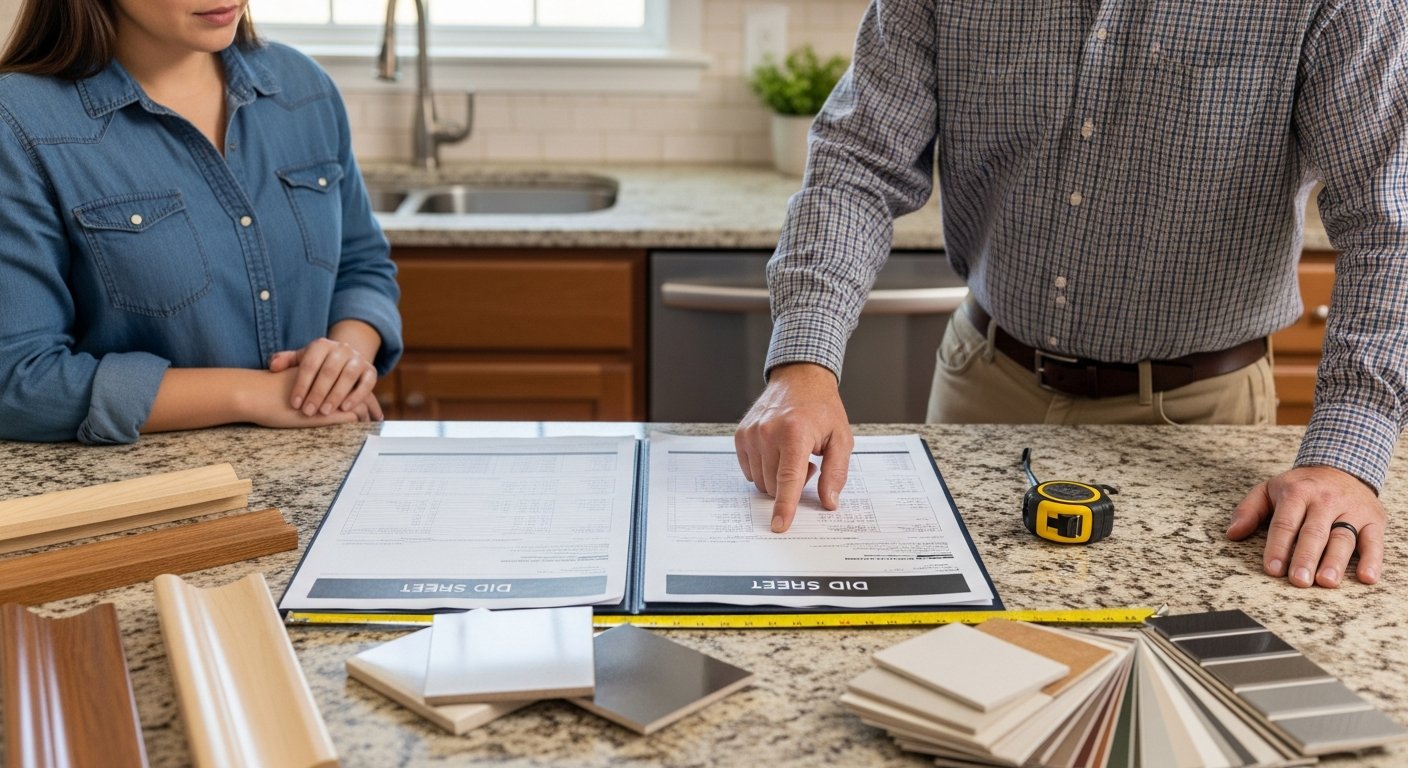
How to Compare Contractor Estimates Without Overpaying
Learn how to compare contractor estimates fairly and avoid overpaying by spotting hidden costs and negotiating like a pro.
By Scott Thompson
Learn more about General Contracting for guides, costs, and what to expect.
Compare General Contracting Pros Near You

Enter your ZIP code to compare top-rated local professionals and request free quotes.
You have measured the room, picked out fixtures, and even saved a few inspiration photos. Then comes the moment every homeowner dreads: collecting contractor estimates. A stack of bids can range from surprisingly low to shockingly high, and figuring out which one is fair can feel like guessing in the dark. The truth is, comparing contractor estimates is not about picking the lowest number. It is about understanding what each bid actually includes, spotting hidden costs, and knowing which contractor will deliver the quality you expect.
This guide walks you through the entire process, from preparing your project documents to evaluating line items and negotiating with confidence. By the end, you will know exactly how to compare contractor estimates side by side and choose the right professional for your home project.
Why Contractor Estimates Vary So Much
It is not unusual to receive bids that differ by thousands of dollars for the same project. That gap often comes down to materials, labor rates, and the contractor's overhead. A contractor with a strong reputation may charge more because they use higher-grade materials or pay their crew better wages. Another bid might look cheaper because the contractor plans to cut corners, such as using thinner lumber or skipping a moisture barrier.
Regional pricing also plays a role. Labor costs in a major city are typically higher than in rural areas, and permits or disposal fees can vary by municipality. Even the season affects pricing; contractors often offer discounts during slower months. Understanding these variables helps you read each estimate with a critical eye instead of simply reacting to the bottom line.
Before you even call a contractor, take time to define your project scope. Write down the exact work you want done, the materials you prefer, and any specific brands or models. This clarity reduces ambiguity and gives contractors a consistent baseline. In our guide on getting accurate contractor estimates, we explain how a detailed project brief can dramatically reduce quote discrepancies.
What a Professional Contractor Estimate Should Include
A professional estimate is more than a single price scribbled on a business card. It should be a clear, written document that breaks down the work into understandable parts. Here are the key components to look for:
- Scope of work: A detailed description of every task, including prep, installation, and cleanup.
- Material list: Specific brands, models, and quantities, so you know exactly what you are paying for.
- Labor costs: A breakdown of hours or a flat rate for the crew's time.
- Timeline: Estimated start and completion dates, plus any milestones.
- Payment schedule: Clear terms, such as a deposit and progress payments, with no large upfront payments.
- Warranty information: What is covered, for how long, and who provides the warranty.
- Permit and disposal fees: Who handles permits and debris removal, and what those costs are.
If an estimate lacks any of these elements, ask the contractor to clarify before you compare bids. A vague estimate often leads to surprise charges later. Contractors who provide detailed, transparent estimates are usually more organized and professional, which is a good sign for the quality of their work.
Once you have two or three detailed estimates, you can compare them line by line. Look for differences in material quality, labor hours, and included services. A slightly higher bid might actually be the best value if it includes premium materials and a longer warranty.
Red Flags to Watch For in Contractor Estimates
While comparing bids, watch for warning signs that could indicate trouble down the road. A few common red flags include:
- Extremely low bids: If a quote is 30 percent lower than the others, the contractor may be cutting corners or planning to charge extra later.
- Vague line items: Terms like "miscellaneous" or "general labor" without specifics can hide costs.
- Pressure tactics: Contractors who push you to sign immediately or demand a large deposit are risky.
- No license or insurance: Always verify that the contractor is licensed and carries liability and workers' compensation insurance.
- Unwillingness to provide references: A reliable contractor should happily share past client references.
These red flags are not automatic disqualifiers, but they should prompt you to ask more questions. A low bid might be legitimate if the contractor uses cheaper materials or works during an off-peak season. However, you need to understand why the price is lower before you commit.
Transparency is key. If a contractor cannot or will not explain their estimate in detail, that is a strong sign to move on to another candidate. Remember, you are not just hiring someone to do a job; you are entering into a partnership that will affect your home for years to come.
How to Compare Contractor Estimates Side by Side
To make a fair comparison, create a simple spreadsheet or table. List each contractor's name, their total price, and the major components of their estimate. Then, compare the following:
- Material quality: Are they using the same grade of materials? If one bid specifies brand X windows and another uses brand Y, research the difference in quality and warranty.
- Labor hours: Does one contractor estimate twice as many hours? That could mean they plan to do a more thorough job, or it could mean they work slower.
- Included services: Does the bid include cleanup, hauling debris, and protecting your floors and furniture? Some contractors charge extra for these.
- Warranty terms: A longer warranty on labor shows confidence in the workmanship.
- Payment terms: Is the deposit reasonable (usually 10 to 20 percent)? Avoid contractors who demand full payment upfront.
After you fill in the table, look beyond the numbers. Consider each contractor's reputation, communication style, and professionalism. A contractor who returns your calls promptly and answers questions clearly is likely to be easier to work with during the project.
Do not be afraid to ask for adjustments. If you prefer contractor A's materials but contractor B's price, ask contractor B to quote the same materials. Most contractors are happy to provide an updated estimate. This level of comparison ensures you are truly comparing apples to apples.
Negotiating With Contractors Without Sacrificing Quality
Negotiation is a normal part of the contracting process, but it should never compromise the quality of the work. Start by thanking the contractor for their detailed estimate and expressing your interest in working with them. Then, share the competing bids you have received and ask if they can match or beat the price while keeping the same scope and materials.
Some contractors may be willing to lower their price to win the job, especially if their schedule is light. Others might offer value-added concessions, such as upgrading to a better material or extending the warranty. Focus on total value rather than just the sticker price. A slightly higher upfront cost might save you money in the long run if it includes better materials and a longer warranty.
Be polite and realistic in your negotiations. If a contractor's bid is already fair, pushing for a deep discount might signal that you will be difficult to work with. Instead, ask for clarity on any line items that seem high and suggest alternatives. For example, you might choose a mid-range tile instead of premium grade to bring the cost down.
Once you agree on a final price, get everything in writing. The signed contract should include the full scope, materials list, payment schedule, and warranty terms. This protects both you and the contractor and prevents misunderstandings later.
How to Use Online Tools and Resources
The internet offers many tools to help you research costs and contractors before you commit. Cost estimation websites, like the guides on ContractorHomeQuotes, provide average price ranges for common projects in your area. These resources help you set a realistic budget and spot bids that are unusually high or low.
You can also use online review platforms to check a contractor's reputation. Look for patterns in reviews rather than focusing on a single negative comment. Consistent praise for quality, communication, and timeliness is a good sign. Repeated complaints about cost overruns or unfinished work should raise concerns.
When you are ready to gather bids, our platform can connect you with local professionals who provide fast contractor estimates online. This saves you time and ensures you are comparing quotes from vetted, reliable contractors. The service is free and comes with no obligation, so you can explore your options without pressure.
For even quicker results, you might be interested in instant contractor estimates. These tools use your project details and regional data to provide a ballpark figure within minutes. While not a substitute for a professional site visit, they give you a useful reference point before you invite contractors to your home.
Making the Final Decision
After you have compared estimates, checked references, and negotiated terms, it is time to choose. Trust your instincts as much as the numbers. Does the contractor listen to your concerns? Do they communicate clearly? Are they enthusiastic about the project? A contractor who shows genuine interest in your home is more likely to deliver a result you will love.
Remember that the lowest bid is not always the best choice. A slightly higher price can buy you peace of mind, better materials, and a contractor who stands behind their work. Conversely, the most expensive bid is not automatically the best. Value the contractor who offers a fair price, transparent details, and a solid reputation.
Once you make your choice, sign a clear contract and schedule the start date. Keep all documents, including the estimate, contract, and warranty information, in a safe place. Then, enjoy the process of watching your home improvement vision come to life.
Comparing contractor estimates is a skill that improves with practice. Each project teaches you more about materials, labor, and what you value in a contractor. By following the steps in this guide, you can approach any home project with confidence, knowing you have the knowledge to make a smart financial decision.
Learn more about General Contracting for guides, costs, and what to expect.
Compare General Contracting Pros Near You
Enter your ZIP code to compare top-rated local professionals and request free quotes.