
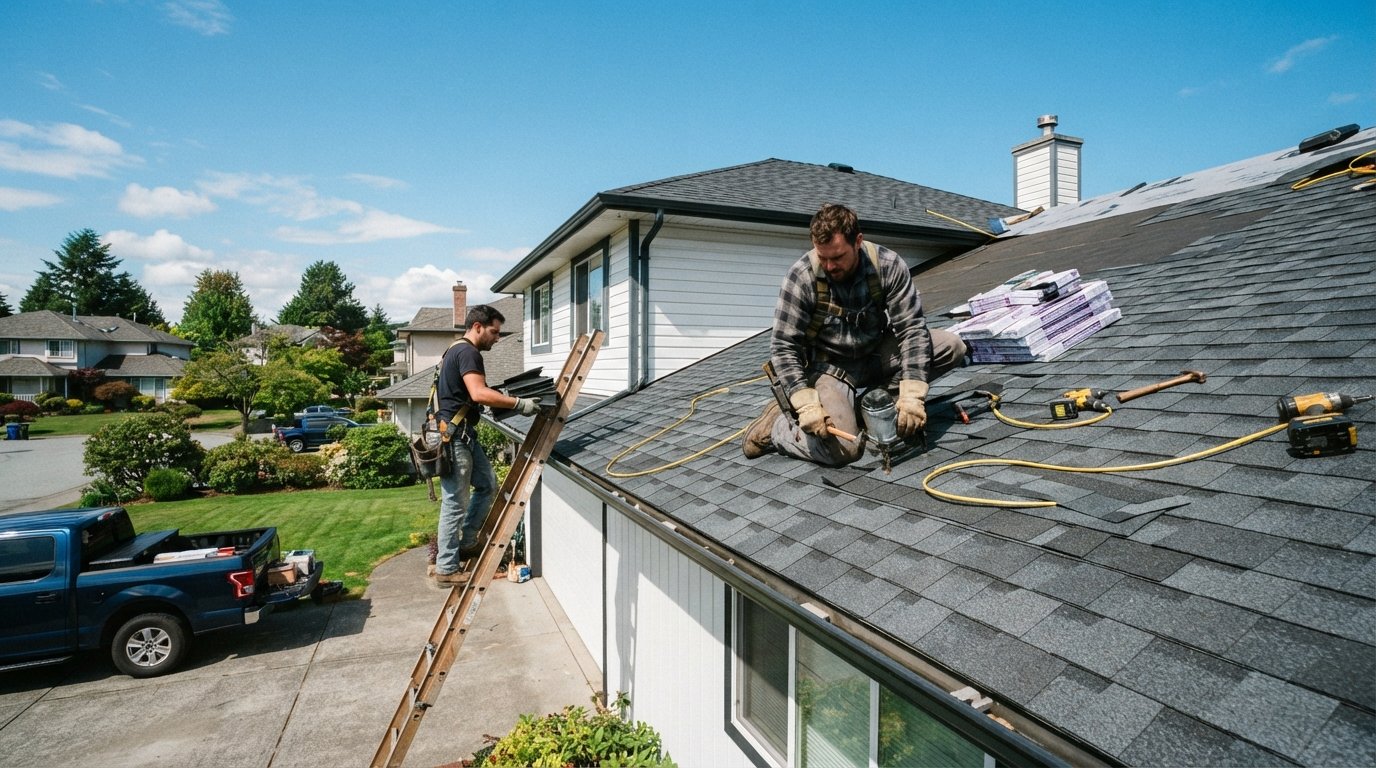
How to Choose Roofing Contractors for 2026
Learn how to vet roofing contractors, avoid common scams, and get a fair price for your roof replacement in 2026.

By Margaret Sheridan
Learn more about Roof Installation or Replacement for guides, costs, and what to expect.
Compare Roof Installation or Replacement Pros Near You

Enter your ZIP code to compare top-rated local professionals and request free quotes.
Your roof is your home's first line of defense against the elements, yet many homeowners only think about it when a leak appears or shingles start curling. Finding the right professional to handle this critical job can feel overwhelming, especially with so many local options and varying price points. The key is not just finding someone who can nail down shingles, but partnering with a contractor who offers transparent pricing, quality workmanship, and a solid warranty. This guide will walk you through the essential steps to vet, compare, and select roofing contractors who will protect your home and your investment for years to come.
Why the Right Roofing Contractor Matters
A roof replacement is one of the most significant home improvement projects you will ever undertake. According to industry data, the average cost to replace a standard asphalt shingle roof in the U.S. ranges from $8,000 to $25,000, depending on your location, roof size, and material choices. This is not a minor repair; it is a structural investment that affects your home's energy efficiency, curb appeal, and resale value. Hiring an underqualified or uninsured contractor can lead to poor installation, costly leaks, and even liability issues if a worker gets injured on your property.
Professional roofing contractors bring more than just tools and ladders. They offer project management, safety protocols, manufacturer certifications, and access to wholesale pricing on materials. They also know local building codes and permit requirements, which can save you from fines and future headaches. When you choose correctly, you gain peace of mind knowing that your roof will withstand storms, wind, and the test of time.
Key Steps to Vetting Roofing Contractors
1. Verify Licenses, Insurance, and Certifications
Before you even discuss pricing, you must confirm that any contractor you consider is properly licensed and insured. Licensing requirements vary by state, so check with your local city or county office to understand what is mandatory in your area. For example, in Alabama, residential roofing contractors must obtain a state license, and verifying this is a critical first step. You can learn more about these specific requirements in our detailed guide on residential roofing contractors in Alabama.
Insurance is non-negotiable. You need to see proof of both general liability insurance and workers' compensation coverage. General liability protects your property if the crew accidentally damages your home or a neighbor's property. Workers' compensation covers any injuries sustained by workers while on your roof. Without it, you could be held financially responsible for medical bills and legal fees. Ask for a copy of their insurance certificate and call the insurance provider to confirm it is active.
Certifications from manufacturers like GAF, Owens Corning, or CertainTeed are also a strong indicator of quality. These certifications mean the contractor has undergone additional training and is authorized to install premium roofing systems. They also often allow for extended warranties on both labor and materials, which is a significant advantage.
2. Read Reviews and Check References
Online reviews are a starting point, but they should not be your only research method. Look for patterns in reviews across multiple platforms like Google, Yelp, and the Better Business Bureau. Pay attention to how the contractor responds to negative feedback; a professional who addresses complaints calmly and offers solutions is a good sign. However, do not be swayed by a single glowing or scathing review. Instead, focus on consistent feedback about punctuality, communication, and cleanliness.
Ask each contractor for a list of at least three recent references, preferably from projects completed in the past six months. Contact these homeowners and ask about their experience. Did the crew show up on time? Did they protect the landscaping and clean up thoroughly? Were there any unexpected costs? Would they hire the same contractor again? This direct feedback is invaluable and often reveals details that online reviews miss.
3. Compare Detailed Written Estimates
Never accept a quote over the phone or a one-page summary without a full breakdown. A professional contractor will perform a thorough inspection of your roof, attic, and ventilation before providing a written estimate. This estimate should detail the materials (including brand and color), labor, disposal fees, and any additional costs like replacing rotten decking or installing new flashing. It should also outline the project timeline and payment schedule.
When you receive estimates from three different roofing contractors, compare them line by line. A significantly lower bid may indicate the use of cheaper materials or a lack of proper insurance. A significantly higher bid might be padded with unnecessary upgrades. The goal is not to pick the cheapest option, but the one that offers the best value for the scope of work. As you review estimates, remember that our cost estimation tools can help you understand the typical price range for your area, but a professional on-site estimate is always the most accurate.
Red Flags to Avoid in Roofing Contractors
Unfortunately, the roofing industry attracts its share of scammers and fly-by-night operators. Being aware of common red flags can save you from a financial disaster. Here are some critical warning signs to watch for:
- Storm chasers: Contractors who show up uninvited after a hailstorm, offering to inspect your roof and often pressuring you to sign a contract immediately.
- Requesting full payment upfront: A reputable contractor typically asks for a small deposit, with the balance due upon completion. Never pay the entire amount before work begins.
- No physical address or local phone number: If they only have a cell phone and a P.O. box, they may be difficult to reach for warranty work later.
- Pressure tactics and scare tactics: Be wary of anyone who tells you that your roof is dangerous and must be replaced today. Take time to get a second opinion.
If you encounter any of these signs, walk away. There are plenty of qualified, honest professionals who will not resort to high-pressure sales. The best contractors let their work and reputation speak for themselves.
Another important aspect is to ensure the contractor is familiar with your specific roofing material. Whether you have asphalt shingles, metal, tile, or flat roofing, installation techniques vary significantly. For example, a contractor who primarily installs asphalt shingles may not have the expertise to properly install a standing seam metal roof, which requires specialized tools and skills. Ask about their experience with your chosen material and request examples of similar completed projects.
How to Maximize Your Roofing Investment
Once you have selected a contractor, there are several steps you can take to ensure the project runs smoothly and that you get the most out of your investment. First, establish a clear communication plan. Designate a single point of contact on the contractor's team and agree on how you will receive updates, whether that is daily phone calls, text messages, or photos. This prevents misunderstandings and keeps you informed of any unexpected issues, like discovering rotten decking once the old shingles are removed.
Second, review the contract thoroughly before signing. It should include the start date, estimated completion date, and a detailed description of the work. It should also state how change orders will be handled. A change order is a written modification to the original contract that adjusts the scope of work and cost. Never rely on verbal promises; make sure any changes are documented in writing and signed by both parties.
Third, protect your property. Remove or cover any outdoor furniture, potted plants, and vehicles near the work area. The contractor should use tarps and plywood to shield your landscaping and driveway from falling debris and equipment. Discuss the cleanup process beforehand, including how they will handle nails and old roofing materials. A professional crew will use a magnetic nail sweeper and take all debris with them when they finish.
Finally, consider the warranty. A typical roofing contract includes a manufacturer's warranty on the shingles (often 25 to 50 years, depending on the brand) and a separate workmanship warranty from the contractor, which usually covers installation errors for 5 to 10 years. Make sure you understand what each warranty covers and how to file a claim if needed. Some contractors offer extended workmanship warranties for an additional cost, which can provide extra peace of mind.
The Cost of Roofing: What to Expect in 2026
Roofing costs continue to rise due to increases in material prices and labor shortages. In 2026, you can expect to pay more than in previous years, but the investment is worthwhile. On average, homeowners spend between $10,000 and $30,000 for a full roof replacement, with architectural asphalt shingles being the most common and cost-effective choice. Premium materials like metal or slate can double or triple that cost, but they offer longer lifespans and better energy efficiency.
When budgeting, factor in potential unexpected expenses. For example, if your roof has multiple layers of old shingles, removal costs will be higher. If your home has complex rooflines, valleys, or skylights, labor will be more expensive. Always set aside an additional 10% to 15% of your budget for contingencies. This cushion will cover you if the contractor discovers hidden issues, such as water damage to the roof deck or insufficient ventilation.
For those in colder climates, like Alaska, it is especially important to choose a contractor who understands snow and ice loads. A poorly installed roof in these regions can lead to ice dams and significant interior damage. You can find guidance on selecting qualified professionals in colder regions by reviewing our article on residential roofing contractors in Alaska.
Why Use a Quote Service to Find Roofing Contractors
Finding the right roofing contractor can feel like a full-time job. You have to research companies, read reviews, schedule inspections, and then compare estimates. This is where a service like ContractorHomeQuotes can be a game-changer. We connect you with up to three pre-screened, licensed local contractors who are ready to provide free, no-obligation quotes. Instead of spending hours on the phone, you can fill out one simple form, and we handle the legwork of finding suitable candidates.
Our network includes professionals who have been vetted for licensing and insurance, so you can rest assured that you are not dealing with amateurs. We also provide transparent pricing data and cost estimation tools to help you understand what a fair price looks like before you even talk to a contractor. This puts you in a stronger negotiating position and helps you avoid surprise bills. In fact, our guide on residential roofing contractors in Georgia illustrates how we tailor our recommendations to local market conditions and regulations.
Using a quote service does not cost you anything, and it does not obligate you to hire any of the contractors we recommend. It is simply a tool to streamline your search and give you more options. You can then compare the quotes you receive on your own terms, using the vetting tips from this guide to make your final decision.
Final Thoughts on Hiring Roofing Contractors
Your roof is too important to trust to just anyone. By taking the time to verify credentials, read reviews, and compare detailed estimates, you can find a roofing contractor who will deliver quality workmanship at a fair price. Use the resources available to you, including this guide and the cost estimation tools on our site, to arm yourself with knowledge. Then, when you are ready to move forward, request quotes from multiple professionals and choose the one who best meets your needs, budget, and timeline. A little extra effort now will pay off with a durable, beautiful roof that protects your home for decades.
Learn more about Roof Installation or Replacement for guides, costs, and what to expect.
Compare Roof Installation or Replacement Pros Near You
Enter your ZIP code to compare top-rated local professionals and request free quotes.